
Businesses rarely lack marketing ideas. The challenge is often making the different parts of the customer experience work together. Gift cards may be managed in one system, loyalty activity in another, and campaign communication through a marketing platform. Each tool can be useful on its own, but when information remains disconnected, it can be difficult to understand what the customer has already done or what would be useful to offer next.
For retailers and shopping destinations, gift cards, loyalty programmes and marketing automation can support different stages of the same customer journey. The value is not simply having three technologies. It is making their roles clear and connecting them in a way that supports a better experience.
Gift cards can create the first interaction
A gift card can bring someone to a store or destination for a reason they might not otherwise have had. It may introduce a new customer to a brand, encourage a visit during a seasonal campaign or bring an existing customer back to explore something new.
The gift card system can provide operational information about issuance, sales and redemption. What it tells the business about an individual customer depends on how the programme is set up and what information is collected appropriately. A redemption should not automatically be treated as a known person or a new customer unless the data supports that conclusion.
Loyalty gives customers a reason to stay connected
A loyalty programme can offer a next step for customers who want an ongoing relationship with the retailer or destination. It may provide benefits, rewards, relevant information or a more personalised experience. For the business, it can create a clearer way to understand activity over time among customers who have joined.
The programme should have a clear customer benefit. Asking someone to register simply because a gift card was redeemed is unlikely to be persuasive on its own. Explain what membership offers, make registration straightforward and respect the customer’s choices about communication.
Marketing automation helps deliver the next relevant interaction
Marketing automation can help turn defined customer events into timely communication. Depending on the available data, permissions and system configuration, a trigger might be a loyalty sign-up, a customer preference, a campaign interaction or another meaningful action.
The important word is relevant. Automation is not valuable simply because it sends messages without manual effort. It is valuable when it helps the business respond consistently to a real customer signal. A useful welcome message, for example, may explain how a loyalty programme works. A later communication might highlight information related to a customer’s expressed interests. If there is no clear reason to send a message, doing nothing may be the better choice.
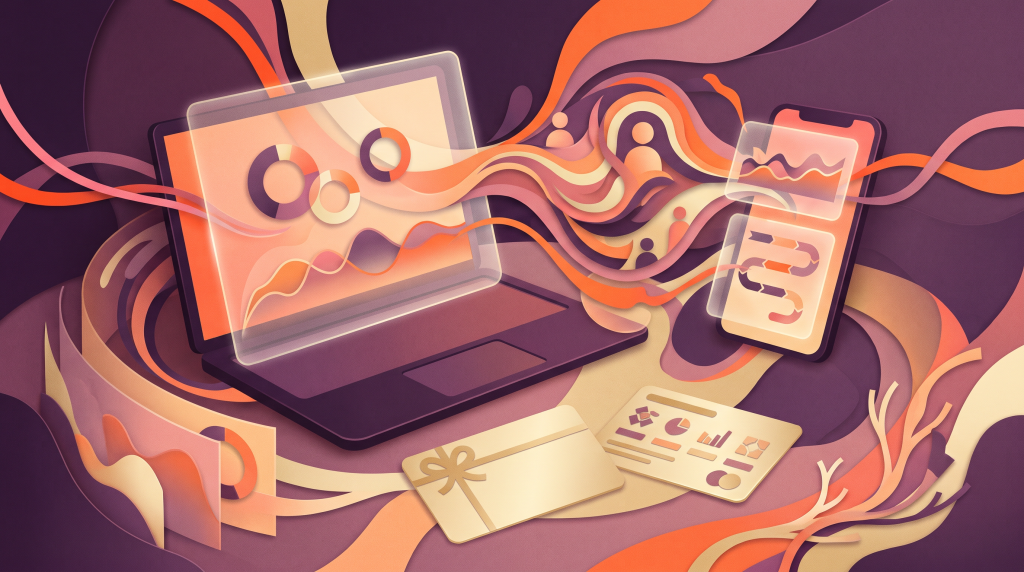
What changes when the tools are connected?
Imagine a recipient redeems a gift card at a shopping destination. The redemption itself is recorded. The recipient then chooses to join the loyalty programme, giving the business a recognised point of engagement. If the systems are appropriately connected, the destination may be able to understand that subsequent activity and use it to support relevant communication.
Without a connected view, teams may have to work with separate reports, duplicate records or broad campaign lists. They may not know whether a customer has already joined, whether a message has already been sent or whether a campaign has prompted a later action. A connected approach can reduce these blind spots, although the exact capabilities depend on the systems and integration.
This does not mean every data point must be centralised or every action automated. Start with a specific use case that matters to the business and the customer. Define the event, what information is needed, who is allowed to use it, what action should follow and how success will be assessed.
Design the experience before designing the automation
A common mistake is to begin with the technology: which trigger can we build, which message can we send, and how many steps should the workflow contain? A better starting point is the customer’s situation. What have they just done? What might they need to know? Is there a clear benefit to contacting them now?
Once the purpose is clear, the team can decide whether automation is appropriate and which systems need to exchange information. The message should sound human, explain something useful and make the next step easy. It should also be possible to stop or adjust communication when the customer’s preferences or activity change.
Measure the whole experience, not just the tools
A connected system is not a success metric by itself. Evaluate whether the experience improved. Depending on the use case, this might mean fewer manual steps, clearer reporting, more relevant communication, loyalty sign-ups or repeat engagement. Define the baseline and measurement period before drawing conclusions.
Be careful not to claim that one action caused another simply because they occurred in sequence. Customer behaviour has many influences. Reliable measurement, clear definitions and realistic expectations make the findings more useful.
Start with one connected use case
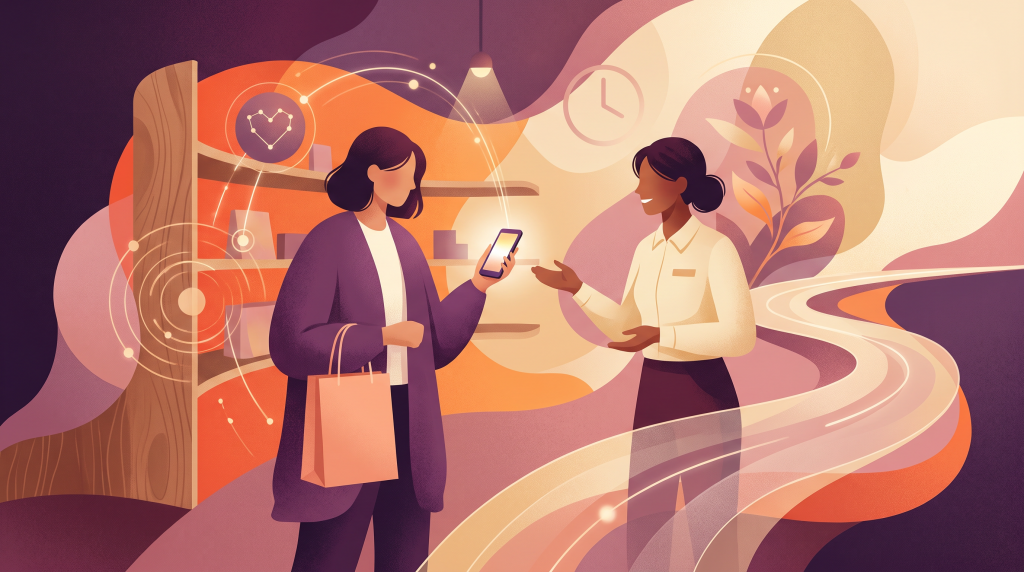
You do not need to redesign the entire customer journey at once. Choose one practical scenario—for example, introducing the loyalty programme to an eligible gift card recipient who has not yet joined. Map the experience from the customer’s point of view, confirm what information is available, check permissions and system connections, and decide how you will evaluate the result.
Once that journey works well, review what the team learned and decide whether another use case is worth adding. Small, well-designed connections are more valuable than complex automation that does not solve a clear problem.
The takeaway
Gift cards can prompt an interaction, loyalty programmes can support an ongoing relationship, and marketing automation can help deliver relevant communication. Their combined value comes from connecting them around a clear customer need—not from adding more technology for its own sake.
Start with the experience you want to create, use only the data you can appropriately rely on, and measure whether the next interaction becomes more useful for the customer.