Gift cards are often treated as a simple product. A customer buys one, gives it to someone else, and the recipient eventually spends the available balance. From an operational perspective, that is a perfectly reasonable way to look at it. From a marketing perspective, however, it leaves out one of the most interesting parts of the journey: the person receiving the gift may be a new customer.
During the holiday season, gift cards can introduce people to retailers, brands and shopping destinations they have never visited before. That first visit is an opportunity to make a good impression, help the customer discover something relevant and give them a reason to come back. The card may be the reason they arrive, but the experience is what shapes what happens next.
The buyer and the recipient are not necessarily the same customer
When a business sells a gift card, it usually has a relationship with the purchaser—or at least an interaction with them. The recipient may be completely new. They may not know the destination, have an account, follow the brand on social media or belong to its loyalty programme.
That distinction is important. If reporting focuses only on the sale, the business sees the value purchased but may miss the chance to understand a new audience. The recipient’s first interaction can be the beginning of a customer relationship, provided the experience makes it easy to discover the offer and find a reason to return.
For example, someone receives a €50 gift card for a shopping centre. They visit to redeem it, discover a store they had not known about and spend some additional money while they are there. They may also notice a loyalty programme that offers useful benefits. The visit has created several possible next steps—but each depends on the experience being relevant and straightforward.

Make the first visit count
A gift card may bring someone to your door, but it cannot do all the work on its own. If the redemption process is confusing, the available information is hard to find or the shopping experience feels impersonal, the customer may leave without forming a positive impression.
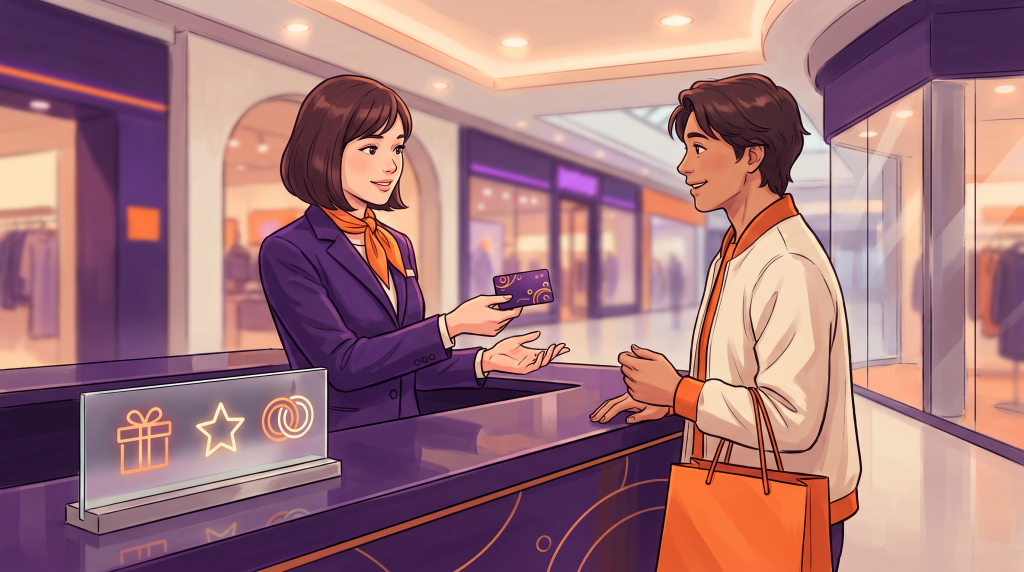
A strong first visit should be easy to navigate. Make it clear where and how the card can be used. Ensure staff understand the process. Help visitors discover stores, services or experiences that fit their needs. If you invite recipients to join a loyalty programme, explain the benefit clearly instead of presenting registration as another hurdle.
The goal is not to turn every gift card recipient into a marketing contact immediately. It is to create a useful experience and make the next step visible when it makes sense.
Connect the gift card to loyalty—without forcing the relationship
A loyalty programme can provide a natural next step for customers who want to stay connected. It may offer rewards, useful information or benefits that encourage another visit. For the business, it can also help connect eligible customer activity over time, depending on the systems in place and the permissions the customer has provided.
Timing and relevance matter. A recipient who has just completed a purchase may appreciate a simple invitation to learn about the loyalty programme. A generic series of promotional messages, on the other hand, can feel intrusive if the customer has not expressed interest or consented to receive them.
Think about the value from the customer’s point of view. What would make joining worthwhile? What information would help them on their next visit? Is there a benefit that is genuinely useful, rather than just another discount? Answering those questions can help make the invitation feel like part of the experience rather than a separate sales tactic.
Selling the gift card completes a transaction. Creating a reason to return begins a relationship.
Use data to understand what happens next
Gift card sales and redemption rates are useful, but they do not describe the entire customer journey. Where data can be linked reliably and lawfully, businesses can also look at whether recipients join a loyalty programme, return for another visit, make additional purchases or engage with later communications.
These measures should be chosen carefully. Not every organisation can identify every recipient or link every transaction to an individual customer. Avoid assuming that two events belong to the same person unless the data supports that conclusion. Start with what is available and reliable, then improve the picture over time.
Even one additional measure can change the conversation. Instead of asking only how many gift cards were redeemed, a team might ask how many identifiable recipients joined the loyalty programme after redemption, or how many members made a later purchase. That question creates a practical starting point for improving the journey.
A connected journey is more useful than a one-off campaign
Gift cards, loyalty programmes and marketing automation each serve a different purpose. The gift card can prompt a visit. Loyalty can give a customer a reason to remain connected. Automation can help deliver relevant communication when an appropriate trigger occurs. Their value increases when the customer experience and the supporting systems are designed to work together.
That does not mean every business needs an elaborate journey with dozens of automated messages. A simple next step can be enough: an invitation to join a loyalty programme, a helpful message explaining benefits, or a timely update about an experience the customer has shown interest in. The important part is that the message has a purpose and fits the customer’s situation.
Think beyond the holiday season
The real value of a holiday gift card may become visible weeks or months after it is redeemed. A recipient who has a positive first experience may return in January, explore a different store or become a regular visitor. If the business stops looking at the journey once the balance reaches zero, those outcomes may go unnoticed.
Before the holiday season begins, decide what you want to learn. Choose one or two realistic measures, check whether the necessary data is available, and agree how the results will be reviewed. This makes it easier to move from broad ambitions about customer loyalty to practical decisions based on evidence.
The takeaway
A gift card is more than a way to transfer spending power. It can be a first introduction to a brand, retailer or shopping destination. Whether that first interaction becomes a lasting relationship depends on the experience that follows—and on the business’s ability to understand what customers need next.
Start by looking beyond the transaction. Make the first visit straightforward, offer a genuinely useful next step and measure what you can reliably observe. The aim is not to turn every redemption into a campaign. It is to recognise the opportunity for a relationship and give it room to grow.