A gift card is one of the simplest ways to bring someone into a business. Someone buys it, someone else receives it and eventually the recipient comes in to use it. The simplicity is part of what makes gift cards so effective, but it can also make businesses overlook what happens around the transaction.
The real opportunity begins when a gift card is treated not just as a product, but as an interaction with a customer.
For shopping centres, retailers and other multi-location businesses, that interaction can become the starting point for a much more relevant customer engagement strategy.
Start with the customer, not the campaign
The easiest mistake is to think about gift cards as another reason to send a marketing message. A customer buys a card, so they receive an email. A customer redeems it, so they receive another email. A customer hasn’t returned, so they receive a third one.
That may technically be automation, but it doesn’t necessarily create a better customer experience.
A better approach is to start with what the customer actually did and ask what communication would make sense because of that action. The difference is subtle, but important. Instead of asking “What can we send this customer?”, ask “What does this customer need or expect at this point in their journey?”
That shift can make automated communication feel much more natural.
The first opportunity comes after purchase
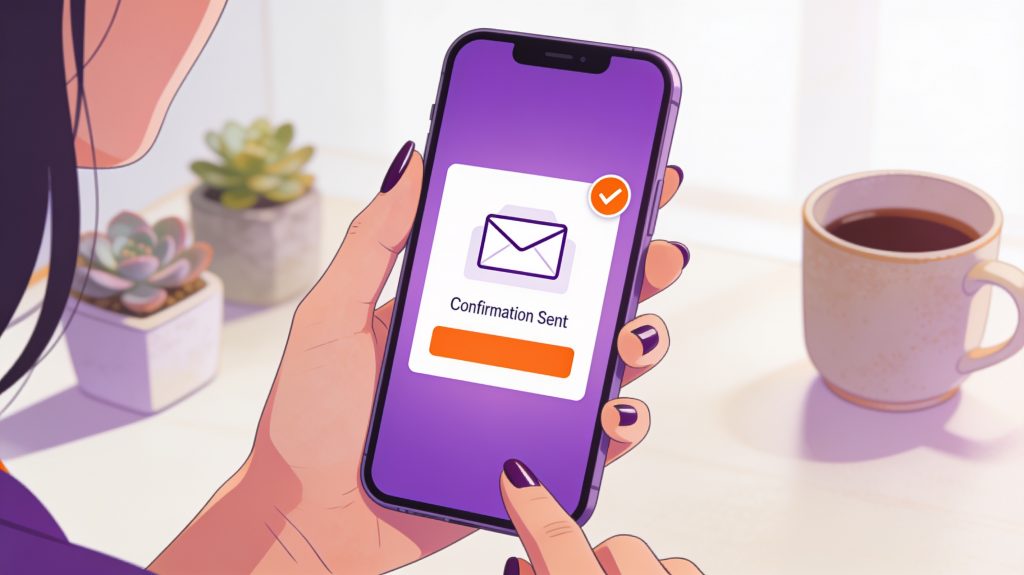
The customer journey starts when the gift card is purchased. At this point, the priority is usually straightforward: make sure the customer knows that everything worked and has all the information they need.
For digital gift cards, this might mean immediate delivery and clear instructions. For physical cards, it could include information about collection, delivery, usage or participating locations. These are simple communications, but they are also perfect examples of where automation can remove unnecessary manual work.
The system knows that the purchase happened, so there is no reason for an employee to manually trigger a confirmation every time.
Redemption creates a different kind of opportunity
The moment of redemption is more interesting from a customer engagement perspective because the customer has just interacted with the business.
They may be visiting for the first time. They may already be a loyal customer. They may have discovered a store they had never used before. Whatever the case, something has happened that provides context for the next interaction.
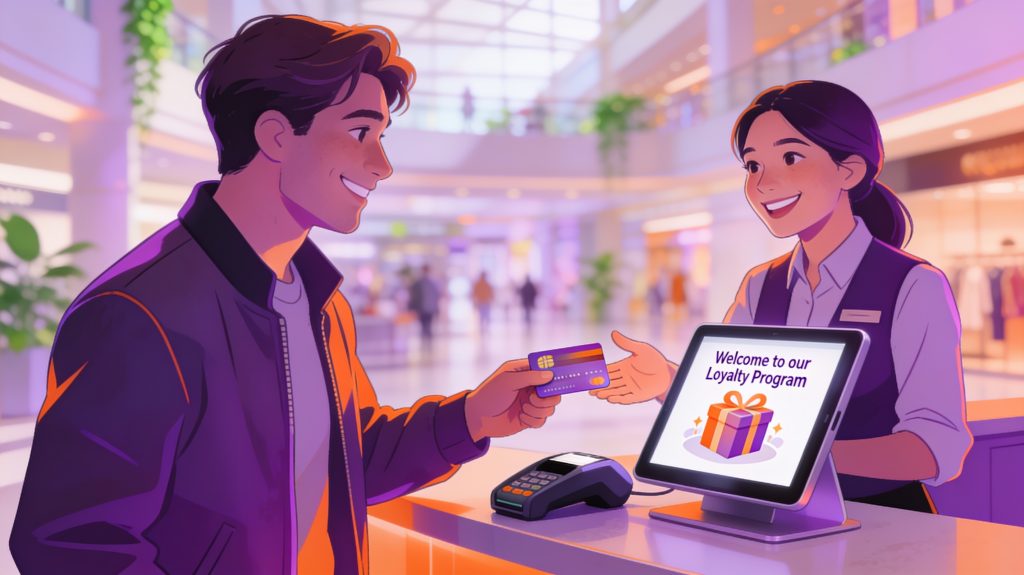
This could be the right moment to introduce a loyalty programme, communicate relevant benefits or simply thank the customer for their visit. The exact communication will depend on the business, but the principle is the same: use the customer’s behaviour to determine what happens next.
A message triggered by an actual customer interaction is likely to feel much more relevant than a generic campaign sent to everyone in the database.
Engagement doesn’t have to mean selling
Customer engagement is sometimes reduced to promotions, discounts and offers. But not every interaction needs to lead directly to another purchase.
A customer who has just visited a shopping centre might benefit from discovering its loyalty programme. Someone who has joined loyalty might need a simple explanation of the benefits. A customer who has not returned for several weeks might need a reason to visit again.
These are different situations, and treating them as if they were the same is one of the reasons customer communication can quickly become repetitive.
The goal isn’t to communicate more often. It is to communicate with more context.
Automation can make this scalable
This becomes particularly important when a business has thousands of customers interacting with its gift card programme. Managing every customer manually isn’t realistic, but sending the same message to everyone isn’t particularly useful either.
Marketing automation provides a middle ground. Customer actions can become triggers, while customer data can determine which journey they enter.
A redemption could trigger one journey for a new customer and another for an existing loyalty member. A customer who has not returned could enter a different journey from someone who continues to engage regularly.
The system handles the repetitive work, while the business defines the logic behind the experience.
Think in journeys, not messages
One of the biggest changes businesses can make is to stop thinking about individual emails and start thinking about customer journeys.
Instead of asking what message should be sent after a gift card redemption, think about what the next few interactions should look like.
Perhaps the first communication is a thank-you. The next introduces loyalty. A later interaction highlights a relevant benefit. If the customer becomes inactive, the journey changes again.
This doesn’t mean every customer needs to receive a long sequence of automated messages. In fact, the opposite can often be true. A well-designed journey can mean fewer, better-timed communications.
The goal is a better relationship
Gift cards already give businesses something valuable: a reason for a customer to interact with them.
The next step is making something useful out of that interaction.
When gift cards are connected with loyalty, customer data and marketing automation, businesses can move from isolated transactions to more connected customer experiences. The technology allows the system to recognise what happened, understand the context and respond accordingly.
That is what going beyond the gift card really means.
The objective isn’t to turn every gift card into another marketing campaign.
It is to make sure that when a customer interacts with your business, that interaction has the potential to lead somewhere meaningful.
A gift card creates the opportunity. Good customer engagement decides what happens next.