The modern retail landscape is undergoing the most extensive transformation in its history. The era when e commerce platforms and brick and mortar stores operated as two separate islands within the same company is officially over. Today’s consumers no longer shop linearly. They expect a seamless, tech enabled experience that combines the speed and convenience of the digital world with the immediacy and emotional connection of an in person visit. This blending of two realities is what we call the phygital transformation. The August transition from a relaxed summer pace to intense autumn preparations offers the perfect moment to take a closer look at how this concept works in practice and why it has become essential for market survival.
The Challenge of Disconnected Sales Channels and Data Loss
The biggest drawback of the traditional retail model has always been a significant information gap. A customer could spend days or weeks researching products on a retailer’s website, adding items to their cart, and defining clear purchase preferences. However, the moment that same person stepped through the doors of a physical store, their entire digital footprint vanished. To the floor associate or cashier, that customer was a complete stranger. The result was a generic shopping experience that failed to leverage the customer’s previously demonstrated intent, often leading to lost sales opportunities.
The phygital transformation solves this challenge by integrating advanced tech systems that enable a smooth flow of data across all customer touchpoints. When a retailer successfully connects a customer’s digital profile with in store activities, entirely new personalization opportunities open up. Based on past browsing data, the system can send a targeted mobile app notification as the customer enters the store, alerting them to the availability of a desired item or offering an exclusive perk tailored to their specific interests. In this way, digital insights directly enhance the physical experience, boost customer satisfaction, and noticeably increase the average order value.
Smart Gift Cards as a Key Phygital Connector
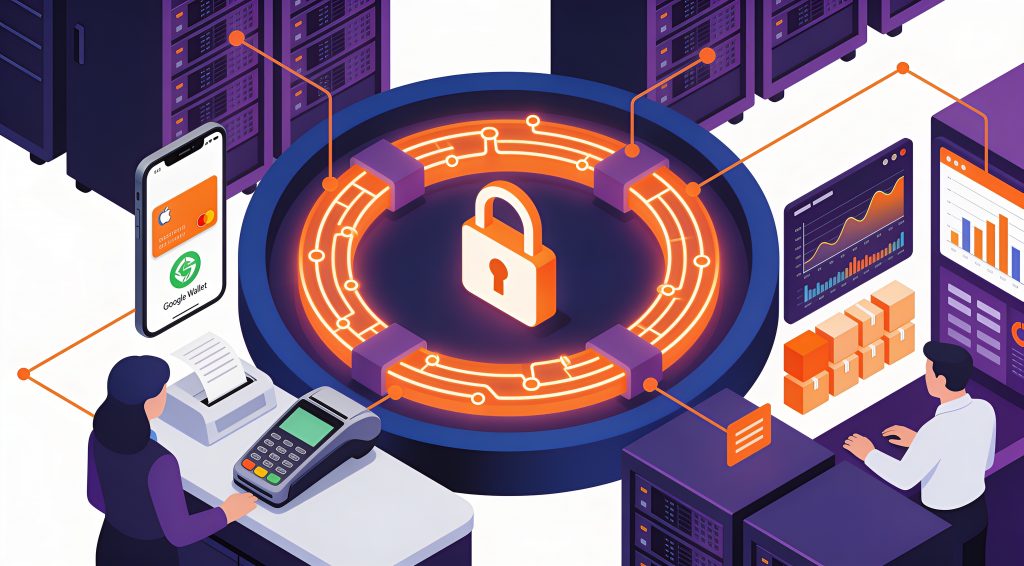
At the core of every successful phygital strategy sit tools that are simple for the customer to use while offering high technical value to the retailer. One of the most effective bridges between both worlds is a modern smart gift card system. The days when a gift card was merely a static piece of plastic or a simple printed code in an inbox are long gone. Today, gift cards are advanced digital platforms fully integrated with mobile wallets, loyalty apps, and point of sale terminals.
Consider a typical August scenario: parents and students face packed schedules and lack the time for lengthy shopping trips for back to school supplies or clothing. Relatives or friends want to jump in with a practical gift. Using a smartphone, they can purchase an e gift card on the retailer’s website in seconds, personalize it with a video or image, and send it straight to the recipient. With a single tap, the recipient saves it to their Apple or Google Wallet.
If the recipient already holds a user profile, the store’s POS system instantly recognizes the card upon their in person visit and links it to their loyalty profile automatically. The entire journey from purchase to redemption happens effortlessly, without shipping delays or unnecessary printing. This is a textbook example of a phygital experience that saves the customer time while providing the retailer with immediate revenue realization.
Strategic Advantages of Closed Loop Systems and Data Management
Beyond delivering an exceptional user experience, the phygital transformation yields major strategic and financial gains for retailers, particularly within a closed loop environment. In such a setup, gift cards and vouchers are issued and redeemed exclusively within the merchant’s own network. This grants the business total, independent control over the financial stream, issuance, and transaction processing. Retailers successfully avoid the heavy transaction fees typically imposed by external payment providers or global card networks, directly boosting profitability on every sale. This independence aligns with broader market trends, much like why the EU is developing the digital euro and why the UAE introduced the Jaywan payment card.
Even greater value lies in the ability to securely collect, structure, and analyze purchasing behavior data. A closed loop phygital system gives retailers exact visibility into the entire lifecycle of invested funds. You can track precisely when and through which channel a card was purchased, the time elapsed before redemption, which store locations serve as top redemption hubs, and which product categories attract the most phygital shoppers. These metrics provide invaluable direction for marketing leaders and retail strategists, enabling highly personalized, well timed campaigns grounded in real transaction data rather than guesswork.
The Future of the Retail Ecosystem
Seamlessly connecting the digital and physical worlds is no longer just an advanced trend for early adopters or tech giants. It has become a baseline requirement for long term competitiveness and stability in retail. Modern shoppers will increasingly favor brands that leverage unobtrusive technology to simplify everyday purchases and offer maximum flexibility. By investing in phygital transformation, deploying smart mobile solutions, and fully harnessing closed loop gift card systems, retailers can ensure their stores remain engaging, efficient, and profitable through every season and market shift.