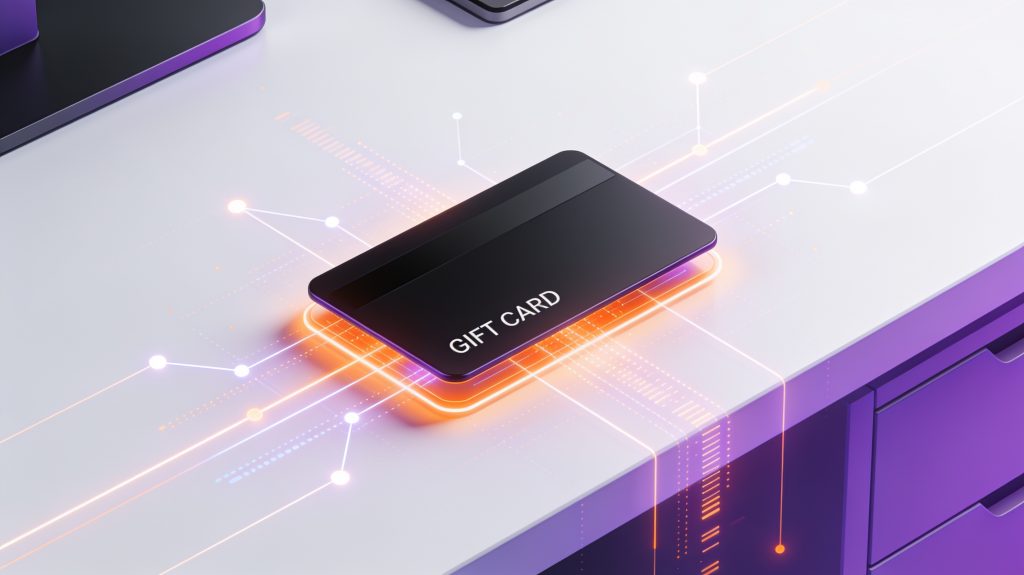
Gift cards are usually measured in very simple terms. How many were sold, how much value was loaded and how much was eventually redeemed. These numbers are important, but they only show one part of the picture. Behind every gift card is a series of customer interactions that can provide businesses with valuable information about how people discover, visit and engage with a shopping destination.
A gift card can tell you when a purchase happened, where it happened and what value was loaded onto the card. Once the card is redeemed, you can also understand when and where it was used and, depending on the systems connected to the gift card programme, potentially connect that activity with an existing customer or loyalty profile. Suddenly, something that initially looked like a simple €50 transaction becomes part of a much broader customer story.
The difference between data and insight
Having this information is one thing. Knowing what to do with it is another. A list of gift card transactions doesn’t automatically tell you anything useful about your customers. The value comes from being able to connect different pieces of information and identify patterns.
For example, imagine that a shopping centre notices that a large share of its gift cards are purchased by existing customers but redeemed by people who have never interacted with the centre before. That could be an important indication that the gift card programme is contributing to customer acquisition. The next question then becomes what happens to those new visitors after they redeem their cards.
Do they return? Do they join the loyalty programme? Do they visit other stores? Do they spend more than the original value of the gift card? These are the questions that can turn gift card data into something much more valuable than a sales report.
Location can tell an interesting story
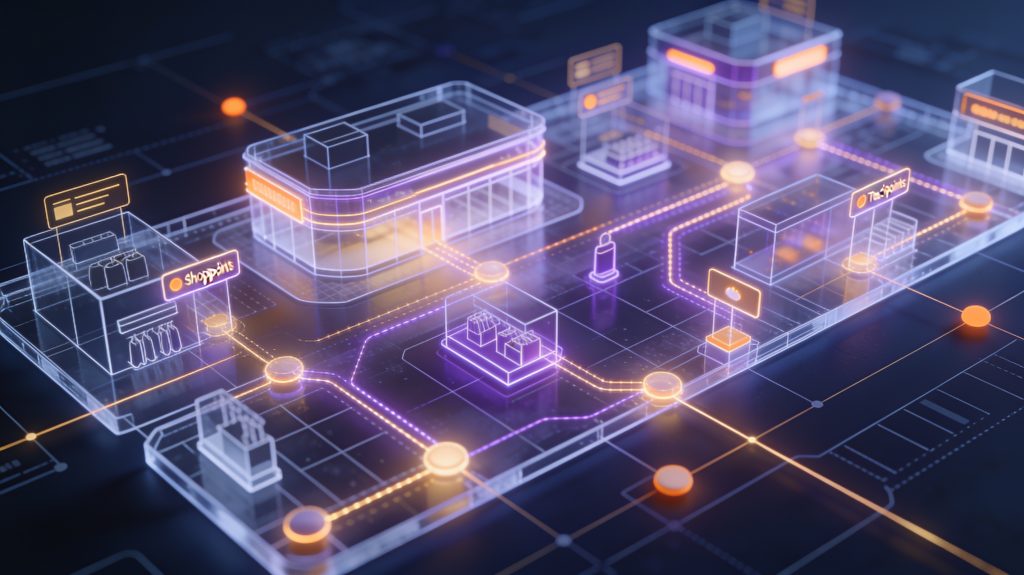
For shopping centres and businesses with multiple locations, the location of a gift card transaction can also provide useful context. Where are customers buying gift cards? Where are they redeeming them? Are they using them at the same location or travelling to another one? Are certain stores or locations more popular among gift card users?
Looking at these patterns can help businesses understand how customers move through their network. It can also reveal opportunities that would be difficult to see if gift card activity was viewed only as a financial transaction.
A card purchased in one location and redeemed in another is not simply a €50 transaction. It represents movement between two customer touchpoints, and that information can become particularly useful when combined with other customer and loyalty data.
The real value comes from connecting systems
The biggest challenge for many businesses is not a lack of data. It is the fact that their data is often spread across different systems. Gift card transactions might live in one platform, loyalty information in another and marketing activity somewhere else.
When these systems operate independently, each one only provides a partial view of the customer. Connecting them can create a much clearer picture.
A gift card redemption, for example, can become part of a customer’s loyalty profile. That profile can then be used to understand future behaviour and create more relevant customer segments. Marketing automation can use those segments to trigger communication based on actual customer activity rather than assumptions.
The technology itself isn’t the most important part. What matters is what the connected data allows the business to understand and do.
From reporting to decision-making
This also changes the questions businesses ask about their gift card programme. Instead of looking only at sales and redemption rates, they can start asking broader questions about customer behaviour.
How many gift card recipients were new customers? How many returned after their first redemption? How many became loyalty members? Which campaigns generated the most engaged customers? Are there differences between customers who redeem their cards in one transaction and those who use them across several visits?
Not every business will have the data to answer all of these questions immediately, and not every pattern will lead to a clear conclusion. But asking better questions is the first step towards getting more value from the information that already exists.
Making the gift card work harder
A gift card will always have a financial value attached to it. But its value to a business doesn’t necessarily stop there.
The purchase creates an interaction. The redemption creates another. Loyalty can provide additional context, while future visits and engagement show what happens next. When these interactions are connected, businesses can start to understand the customer journey rather than simply counting transactions.
This is where the idea of going beyond the gift card becomes important. The card itself may only be worth €50, €100 or another fixed amount. The information and customer relationship created around it can have a much longer lifespan.
The most valuable part of a gift card may not be the value stored on it, but the customer data created around it.